Home repair grants for disabled homeowners divide into two families: modification channels that require a disability, and income-based repair programs that do not. The VA and Medicaid pay for ramps and accessible bathrooms; the USDA, county, and weatherization programs pay for roofs and furnaces.
That split is the entire strategy. A disability rating does not pay for a new roof, and an income test does not pay for a wheelchair ramp. The grants for home repair for disabled homeowners that actually pay out follow this division exactly, so applying to the wrong family wastes an application.
The following sections name each program, the exact figures, and the office or case manager to call, so the right door opens on the first try.
The repair-versus-modification split that decides your route
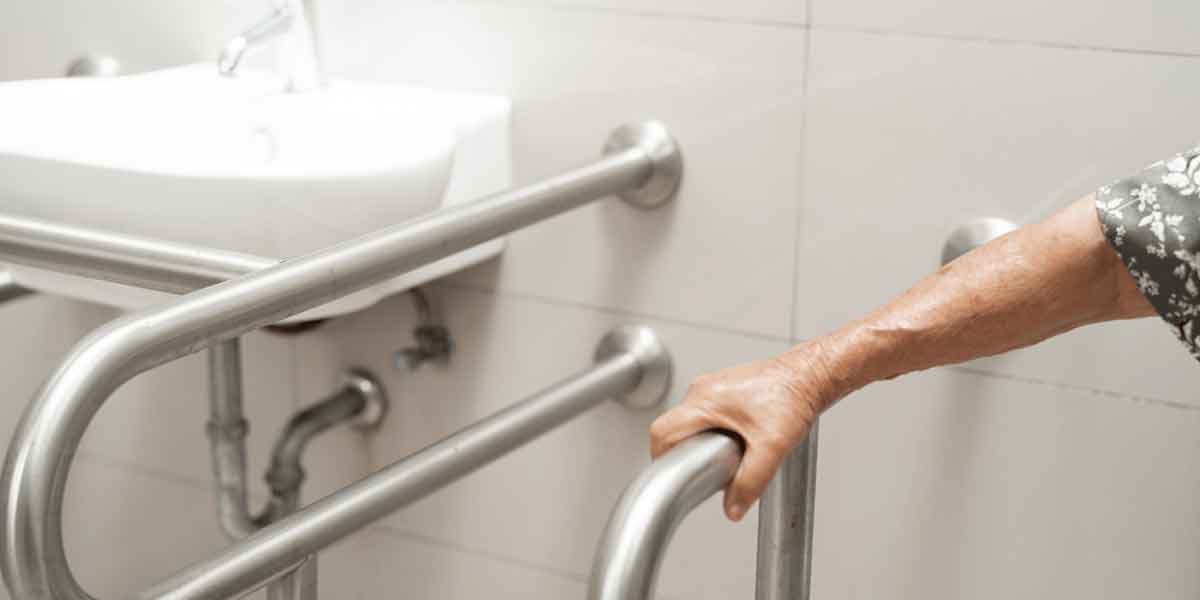
Two kinds of work exist, and the funding follows the kind, not the homeowner. Modifications are disability-driven changes: ramps, widened doorways, grab bars, roll-in showers, stair lifts. Repairs are general failures: a leaking roof, a dead furnace, faulty wiring, a broken water heater.
Modification money is triggered by the disability. The VA pays for veterans with qualifying service-connected disabilities, and Medicaid’s home and community-based services programs pay for medically necessary home changes in many states. Repair money is triggered by income, and it never asks about disability. The USDA Section 504 program, county repair lists, and weatherization all use income tests.
A homeowner who needs both kinds of work applies to both families and stacks the funding, because no single program covers the whole house.
VA grants for disabled veterans
Disabled veterans have the strongest modification funding in the country, and the figures come straight from the VA disability housing grants page. The Specially Adapted Housing grant pays up to $126,526 for fiscal year 2026, the Special Home Adaptation grant up to $25,350, and the temporary residence versions $50,961 and $9,100. The Home Improvements and Structural Alterations grant covers medically necessary changes through VA medical centers, with amounts set annually.
Eligibility turns on the disability type, not the rating. The SAH and SHA lists name specific conditions: loss or loss of use of limbs, blindness at 20/200 or worse, severe burns, certain respiratory injuries. A 100% rating does not qualify by itself, and Congress caps one post-9/11 category at 120 grants per fiscal year.
These are modification grants. They pay for ramps, widened doors, accessible bathrooms, and adapted living space, and they do not pay for a new roof or furnace. Disabled veterans who need general repairs move to the income-based family below, and the home repair grants overview covers the veterans repair options in full.
Medicaid HCBS: the modification channel most guides miss
Medicaid’s home and community-based services, which the Centers for Medicare and Medicaid Services describes as the program supporting people who need long-term care at home, pay for disability-related home modifications in most states. Ramps, widened doorways, grab bars, and accessible bathrooms qualify when a physician or care manager documents medical necessity.
The rules live in each state’s Medicaid waiver, and the coverage varies sharply. Some states cap modification spending per enrollee, others require the work to prevent institutionalization, and the application runs through the state Medicaid agency or the enrollee’s case manager rather than a central portal.
Two things make HCBS worth checking before any other modification route. It does not require veteran status, and it does not require homeownership in every state. An enrollee who qualifies for Medicaid long-term care services can often get a ramp or bathroom adaptation that no other program covers, which is why the case manager is the first call for a disabled homeowner on Medicaid.
The dedicated grants for home modifications for disabled guide walks through the Medicaid path and the nonprofit alternatives in detail.
Income-based repair programs: USDA, county, and weatherization
General repairs for disabled homeowners run through the same income-based channels that serve everyone else, because repair money does not ask about disability. The USDA Section 504 program loans up to $40,000 at 1% for 20 years to very-low-income rural owners, with grants up to $10,000 for those 62 and older, and it is the deepest federal repair option.
County programs funded by Community Development Block Grants run repair lists for income-qualified owners, and the home repair grants by state guide maps the state-by-state picture. State examples show the range: Illinois’ Homeowner Assistance Fund program funded critical repairs up to $60,000 per household, and Washington’s Home Repair Grant Program routes state money through local agencies.
The Weatherization Assistance Program covers energy repairs free for income-qualified households, which for a disabled homeowner usually means a heating system or insulation work bundled with the accessibility projects. None of these programs requires a disability determination, and none of them pays for a ramp.
Nonprofit modification help and credit-based loans
Habitat for Humanity affiliates repair homes for households up to 80% of the area median income and routinely build ramps and modify bathrooms, with disabled homeowners and veterans on priority lists. Rebuilding Together affiliates do the same critical repair and modification work at no cost. Both are affiliate-driven, so the local office sets the waiting list.
For households above the income lines, the HUD 203(k) mortgage finances up to $35,000 of repairs into an existing mortgage, and Title 1 property improvement loans cover repairs without refinancing. Both are credit-based, which means they work for disabled homeowners with income and equity but no grant eligibility.
The stacking rule: a Medicaid modification plus a weatherization job plus a Habitat repair can cover more of a home’s needs than any single program, because the funding sources do not overlap.
What to check before you apply
Four items decide which route is open, and they take an afternoon to assemble. Disability type versus channel, medical-necessity documentation, the income test, and ownership.
Match the work to the channel first. A ramp or accessible bathroom belongs to the VA or Medicaid route. A roof or furnace belongs to the income route. Asking the wrong family for the wrong kind of work is the most common failed application.
Medical-necessity documentation is the gate for modification programs. The VA requires the service-connected disability determination; Medicaid requires a physician’s or care manager’s documentation that the modification is necessary to stay at home. Gather those letters before calling.
The income test decides the repair channels. Check the county very-low limit and the area median income figure against your household income, then apply to whichever list is open. The home repair grants overview lists the income ceilings per program.
Ownership matters everywhere except Medicaid. Grant and loan programs require owner-occupancy and title proof; Medicaid HCBS covers modifications for renters in many states, so a renting disabled adult should start with the Medicaid case manager and the landlord’s permission.
Program rules, income ceilings, and grant ceilings change every year. Confirm the current figures with the agency before you apply.
Frequently asked questions
How can I get a grant to fix my home?
Match the work to the channel. For ramps, widened doors, and accessible bathrooms, disabled veterans apply to the VA SAH and SHA grants and everyone else checks Medicaid home and community-based services through the state case manager. For roofs, furnaces, and general repairs, the USDA Section 504 loan at 1% interest, county CDBG-funded lists, and the Weatherization Assistance Program are the income-based routes.
What do I do if I can’t afford a home repair?
Start with the income test: if your household income is at or below the county very-low limit, the USDA Section 504 loan at 1% and the 62-and-older grant are open year-round, and the local Rural Development office handles applications. Join the county CDBG-funded repair list in parallel, and check Habitat for Humanity and Rebuilding Together affiliates, which keep disabled homeowners and veterans on priority lists.
Are there free home repair grants in Michigan?
Yes, through several channels. The Michigan State Housing Development Authority funds repair programs through local partners, Detroit’s Housing and Revitalization Department operates repair assistance for city homeowners, and Habitat for Humanity affiliates across the state run critical repair lists for income-qualified owners. USDA Section 504 applies to rural Michigan homeowners, and the Weatherization Assistance Program covers energy repairs statewide.
How do I pay for large home repairs with no money?
Stack the funding. The USDA Section 504 loan at 1% interest covers repairs for very-low-income rural owners, with the 62-and-older grant layered on for the hazard portion. County CDBG-funded lists and nonprofit affiliates cover parts of the work, and the Weatherization Assistance Program handles energy systems free. For disabled homeowners, Medicaid HCBS can cover the modification portion in many states. No single program covers a whole house, but the stack does.
Are there home repair grants for disabled adults?
Grants for home repair for disabled homeowners split by work type. Modifications like ramps and accessible bathrooms are covered by Medicaid home and community-based services in most states and by VA grants for veterans. General repairs like roofs and furnaces are covered by income-based programs: USDA Section 504, county CDBG-funded lists, and weatherization. Disabled adults should apply to the modification channel and the income channel separately.